
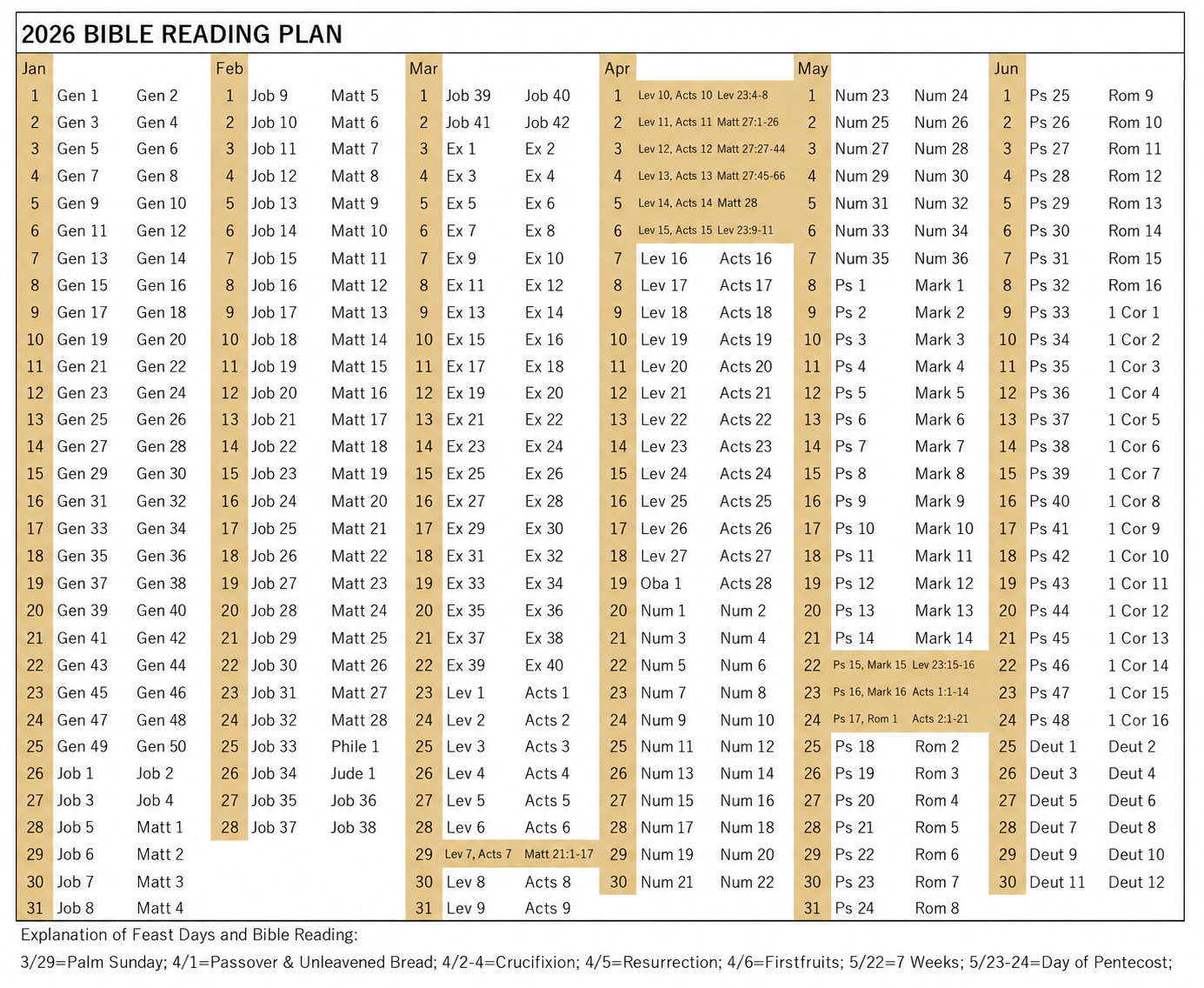
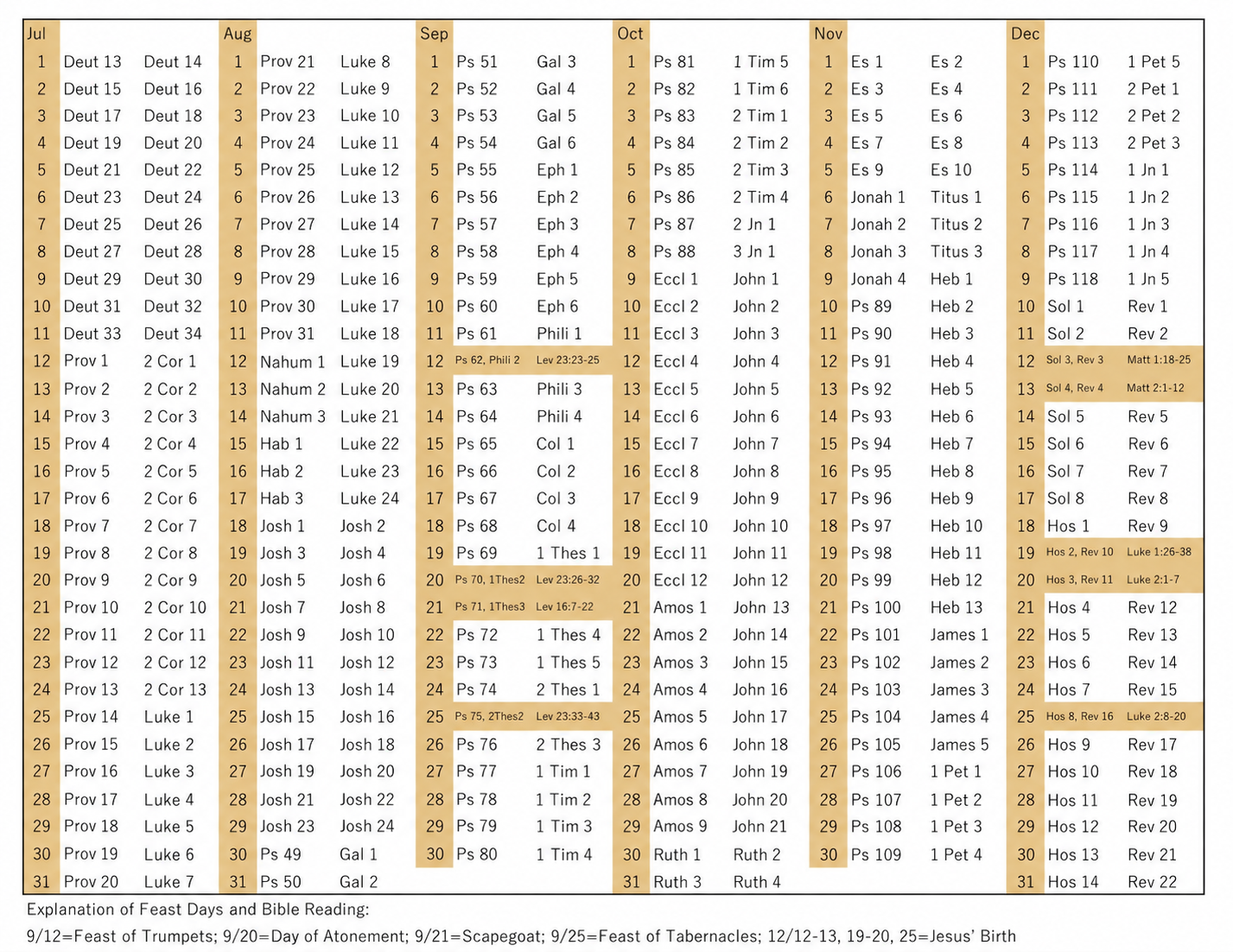
Devotion 1 of 2: 2 Sam 3
V.11 “And he (Ishbosheth) could not answer Abner another word, because he feared him.” Who was Ishbosheth? And who was Abner? And what did they argue about?
Ishbosheth was the son of the dead King Saul, and Abner was the commander of Saul’s army. Abner had gone in to one of Saul’s concubines, so Ishbosheth confronted him about it. However, instead of repenting and asking for forgiveness, Abner threatened to betray Ishbosheth and hand him over to David (v.7-11). So, that’s why Ishbosheth was afraid of him and couldn’t say anything more to him.
What Abner did was political/military corruption. He committed an immoral sin, but he used his military position to threaten anyone who dared confront him. This goes on in today’s politics as well. That’s why we cannot allow corruption in government leaders. When it comes in, it destroys the nation. Ishbosheth allowed Abner to stay, but Abner right away betrayed Ishbosheth to David (v.12-21)! Let’s pray for today’s national leaders.
デボーション1/2:2 Sam 3
11節「イシュ・ボシェテはアブネルに、もはや一言も返すことができなかった。アブネルを恐れたからである。」イシュ・ボシェテとは誰だったでしょう? アブネルとは誰だったでしょう? 彼らは何について議論したのですか?
イシュ・ボシェテは亡くなったサウル王の息子で、アブネルはサウルの軍の指揮官でした。アブネルはサウルのそばめと関係を持ったので、イシュ・ボシェテは彼に注意しました。しかし、悔い改めて赦しを求める代わりに、アブネルはイシュ・ボシェテを裏切ってダビデに引き渡すことができるよと脅しました (7-11節)。それで、イシュ・ボシェテは彼を恐れ、それ以上何も言えなかったのです。
アブネルがしたことは、政治的兼軍事的腐敗でした。彼は不道徳な罪を犯しましたが、軍の立場を利用して、彼に立ち向かう者を脅迫しました。これは今日の政治でも行われることがあります。だからこそ、政府指導者の腐敗を許してはいけません。腐敗が入り込むと、国は破滅します。イシュ・ボシェテはアブネルの留任を許しましたが、アブネルはすぐにイシュ・ボシェテをダビデに裏切ったのです(12-21節)。今日の国家指導者たちのために祈りましょう。
Devotion 2 of 2: 2 Sam 4
Let’s look more at the problem of corruption in government because the theme continues in this chapter. Abner was a corrupt commander because he had sex with Saul’s concubine, and when Ishbosheth rebuked him, he got angry and threatened to betray Ishbosheth. So Ishbosheth backed down, but Abner came right away to David in chapter 3 to betray Ishbosheth and help David consolidate his rule over Israel (3:12-21).
But David’s commander, Joab, was angry at Abner, because he had killed Joab’s brother, so Joab went after him and killed him (3:22-30)! By doing that, Joab actually preserved corruption from entering into David’s government, even though David wasn’t happy about it (3:31-39)!
In chapter 4, two men kill Ishbosheth while he’s lying in bed and report it to David, thinking he would be happy (v.5-8). But David orders them to be executed, because he saw them as corrupt (v.9-12)! Corruption will come into government in many forms, and leaders must constantly fight against it, or the nation will suffer! Let’s pray for corrupt leaders to change or be removed!
デボーション2/2:2 Sam 4
この章でもそのテーマが続くので、政府の腐敗の問題をもっと見てみましょう。アブネルはサウルのそばめと性交したため腐敗した指揮官でした。イシュ・ボシェテが彼を叱責すると、彼は怒り、イシュ・ボシェテを裏切ると脅しました。それでイシュ・ボシェテは引き下がりましたが、アブネルは第3章ですぐにダビデのもとに行って、イシュ・ボシェテを裏切り、ダビデがイスラエルの支配強化に協力すると約束しました(3:12-21)。
しかし、ダビデの指揮官ヨアブは、アブネルがヨアブの弟を殺したため腹を立て、彼を追いかけて殺しました(3:22-30)。そうすることで、ヨアブは実際にダビデの政府に腐敗が入り込むのを防いだのです。ダビデはそれを快く思っていませんでしたが (3:31-39)!
第4章では、2の男がベッドに横たわっているイシュ・ボシェテを殺し、ダビデが喜ぶだろうと考えます報告しました(5-8 節)。しかし、ダビデは彼らが腐敗していると見て、処刑を命じます(9-12節)。腐敗はさまざまな形で政府に入り込み、指導者たちは絶えずそれと戦わなければなりません。さもないと、国は苦しむことになります。腐敗した指導者が変わるか、排除されるように祈りましょう。
— Pastor Elmer Inafuku