
この箇所の日本語訳はまだありません。英語の原文を表示しています。
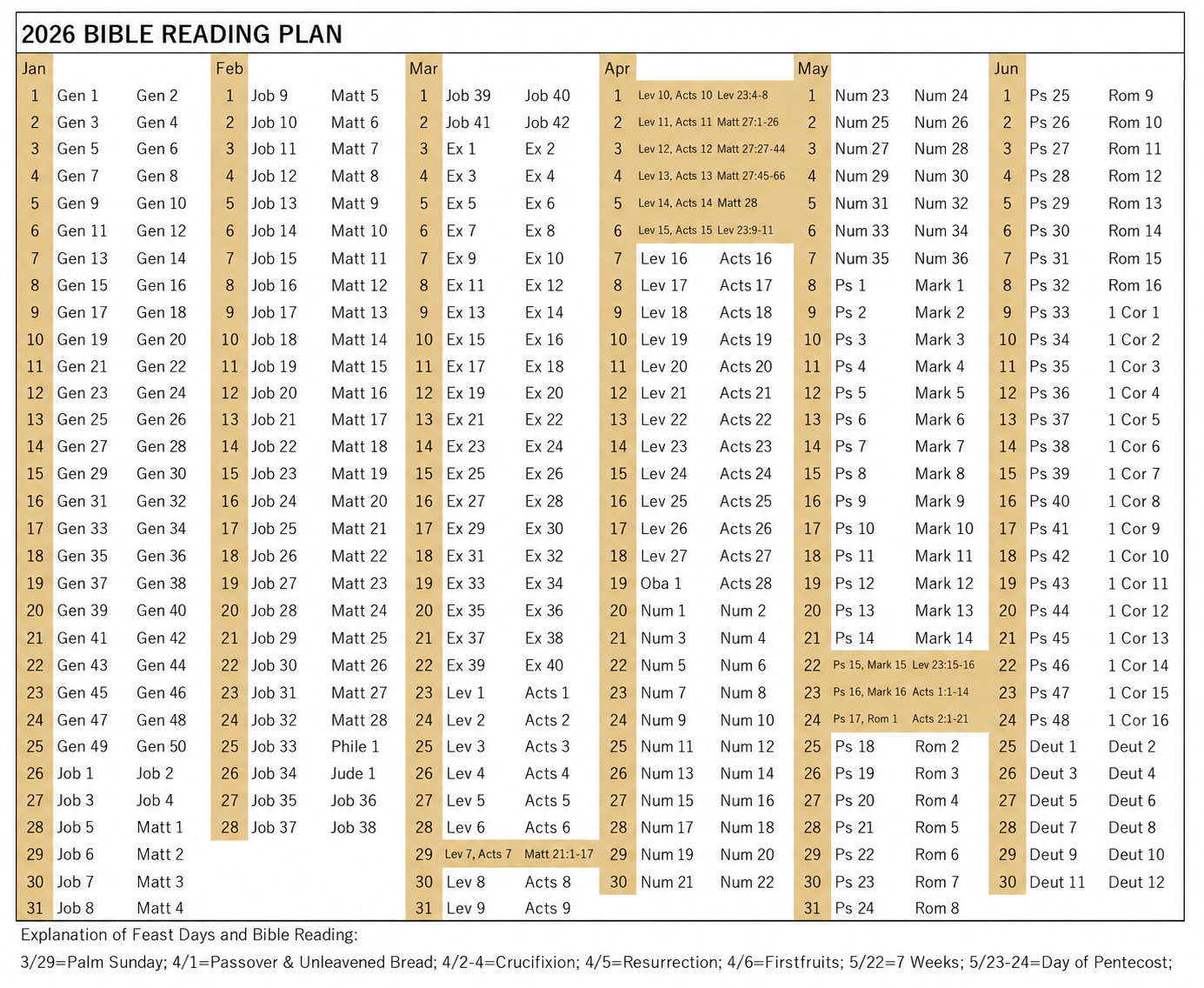
Devotion 1 of 2: Ps 41
There is a Messianic prophecy hidden in this psalm. It is v.9, “Even my own familiar friend in whom I trusted, who ate my bread, has lifted up his heel against me.” This was fulfilled by Judas Iscariot when he betrayed Jesus as John 13:18b says, “He who eats bread with Me has lifted up his heel against Me.”
However, Jesus didn’t include the first half of Psalms 41:9, “Even my own familiar friend in whom I trusted.” Why? I believe it was because Jesus knew from the beginning that Judas would betray Him (John 6:64, 70).
6/17(水)詩41篇(デボーション1)
この詩篇にはメシア預言が隠されています。それは9節の「私が信頼し、私のパンを食べた親しい友までが、私にそむいて、かかとを上げた」という部分です。これは、ヨハネ13:18bにあるように、「わたしのパンを食べている者が、わたしに向かってかかとを上げた」というように、イスカリオテのユダがイエスを裏切ったことで成就しました。
しかし、イエスは詩篇41:9の前半部分、「私が信頼し・・・親しい友・・・」を引用しませんでした。なぜでしょうか?それは、イエスが最初からユダが自分を裏切ることを知っていたからだと私は信じます(ヨハネ6:64、70)。
この箇所の日本語訳はまだありません。英語の原文を表示しています。
Devotion 2 of 2: 1 Cor 9
What Paul says in v.24-27 especially pertains to Christians living in the endtime. Paul uses the illustration of a runner who disciplines his body and brings it into subjection so that he will not become disqualified but will run to win the prize.
To a Christian, this means we should overcome our flesh so that, after witnessing to others, we not fall into sin but finish the race of life and win the prize of a high calling! In the endtime, let’s run to win the prize of the LDR!
6/17(水)1コリ9章(デボーション2)
パウロが24~27節で述べていることは、特に終末の時代に生きるクリスチャンに当てはまります。パウロは、体を鍛え、従わせることで失格にならず、賞を得るために走り続けるランナーのたとえを用いています。
クリスチャンにとって、これは肉の欲を克服し、人々に証をした後、罪に陥ることなく、人生のレースを走り抜き、高き召しという賞を得ることを意味します。終わりの日に、終末リバイバルという賞を得るように走り続けましょう!
— Pastor Elmer Inafuku