
この箇所の日本語訳はまだありません。英語の原文を表示しています。
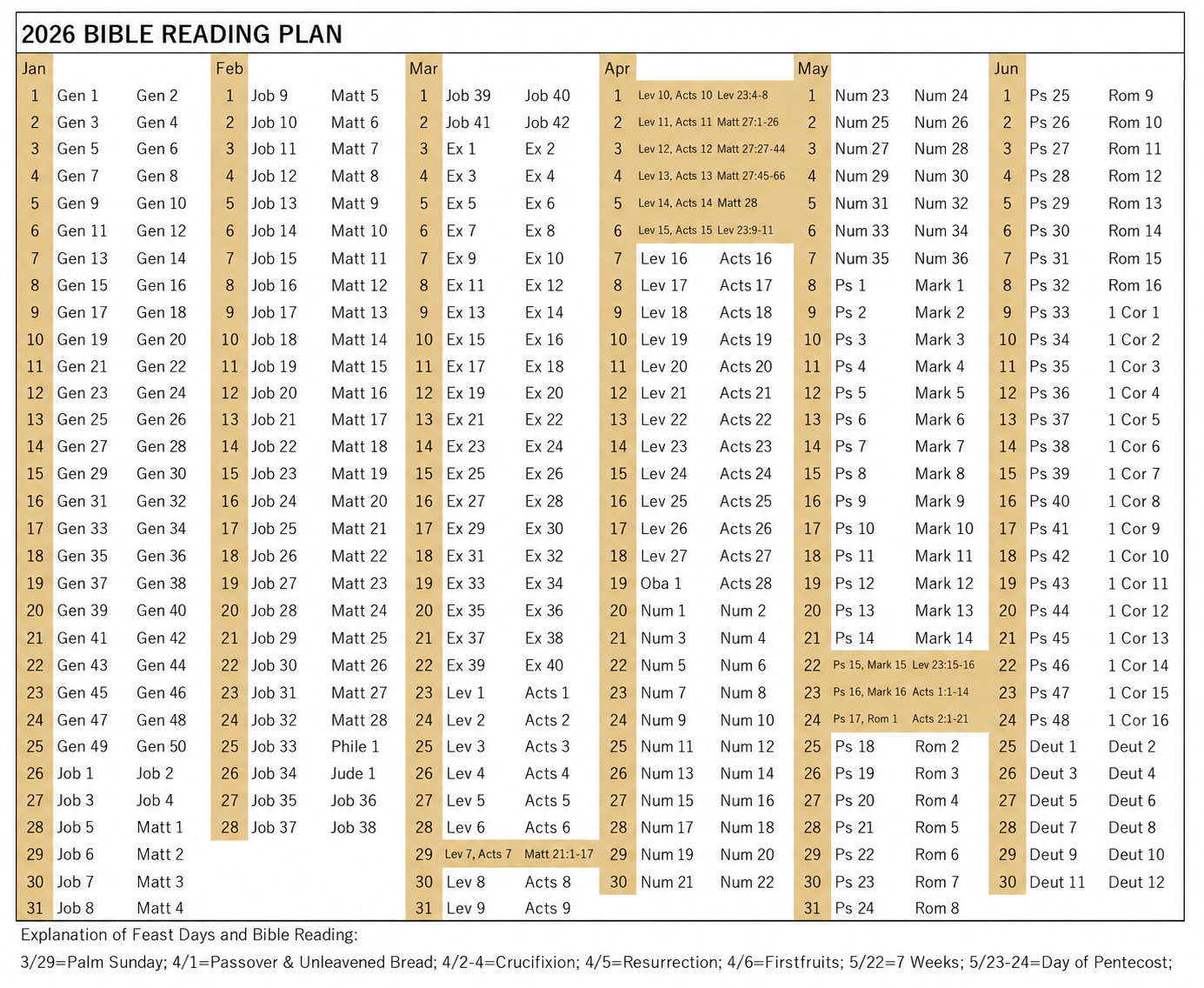
Devotion 1 of 2: Job 34
When I read Elihu’s words in v.5-9 and v.33-37, I don’t feel a great difference between his words and Job’s 3 friends’ words. So, why did God work through Elihu but not the 3 friends?
Bible scholars have pointed out that while Job’s friends wrongly accused Job of hidden sins as the cause of his horrible trials, Elihu thought that God can allow suffering to teach patience or mold character or protect a person from danger. Let’s try to learn the difference between the counseling of Elihu and Job’s 3 friends.
2/26(木)ヨブ34章(デボーション1)
5-9節と33-37節のエリフの言葉を読むと、彼の言葉とヨブの3人の友人の言葉の間に大きな違いは感じられません。では、なぜ神はエリフを通して働き、3人の友人を通して働かなかったのでしょうか。
聖書学者たちは、ヨブの友人たちがヨブの恐ろしい試練の原因は隠された罪にあると誤って非難したのに対し、エリフは神が忍耐を教えたり、人格を形成したり、危険から守ったりするために苦しみを許すことができると考えていたと指摘しています。エリフとヨブの3人の友人の助言の違いを理解してみましょう。
この箇所の日本語訳はまだありません。英語の原文を表示しています。
Devotion 2 of 2: Jude 1
The author of this epistle was Jude, the brother of James, who was the leader of the Judaistic Christians in the early church. Some characteristics of the semi-legalistic teachings of the Judaistic Christians appear here.
Jude uses harsh words to condemn ungodly conduct in v.4, 12-19. He also severely judges the Jews who didn’t have faith to enter Canaan (v.5), the angels who didn’t keep their domain (v.6), the people living in Sodom and Gomorrah (v.7), and others who commit a number of sins (v.8-11). Let’s try to be less harsh than Jude.
2/26(木)ピレ1章(デボーション2)
この手紙の著者は、初代教会におけるユダヤ教的クリスチャンの指導者であったヤコブの弟、ユダです。ここには、ユダヤ教的クリスチャンの半ば律法主義的な教えの特徴がいくつか現れています。
ユダは4節、12-19節で、不敬虔な行いを厳しい言葉で非難しています。また、信仰を持たずにカナンに入ることができなかったユダヤ人(5節)、自分の領域を守らなかった御使いたち(6節)、ソドムとゴモラの住民(7節)、そして数々の罪を犯した他の人々(8-11節)を厳しく裁いています。ユダほど厳しくない言葉遣いを心がけましょう。
— Pastor Elmer Inafuku