
この箇所の日本語訳はまだありません。英語の原文を表示しています。
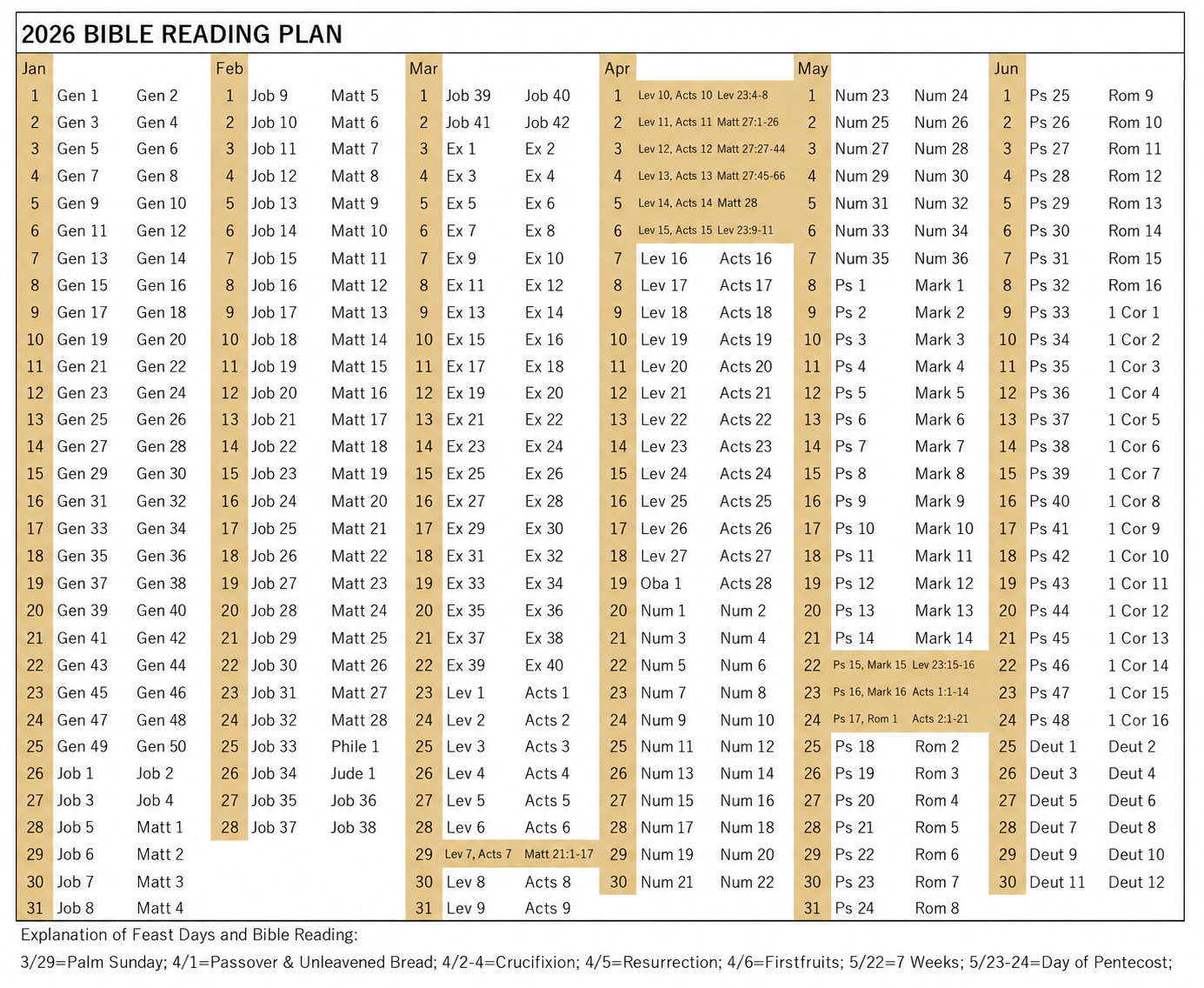
Devotion 1 of 2: Ps 99
V.8b makes an interesting statement: “You were to them God-Who-Forgives, though You took vengeance on their deeds.” At first glance, it seems contradictory. God forgives, but He also takes vengeance on our (bad) deeds! So which is it? Does God forgive us, or does He punish us for our bad actions?
The answer is: Both! I believe the following explanation is one way of looking at this Scripture: We do something bad, so God punishes us. It may come in the form of a failure, an accident, a sickness, etc. Then here is the important part—Through the punishment we realize our sin! We regret our action, so we repent! Then God releases His forgiveness upon us!
Our God is the God-Who-Forgives! That’s one of His names, so it reveals His nature! But even if He wants to forgive, He cannot do it unless we repent! And often, we don’t repent unless we get spanked! Therefore, God taking vengeance and God forgiving are not contradictory, but just 2 parts in the cycle of: 1) Our sin, 2) God’s punishment, 3) Our repentance and 4) God’s forgiveness!
Let’s always be quick to repent, so we can quickly receive God’s forgiveness!
この箇所の日本語訳はまだありません。英語の原文を表示しています。
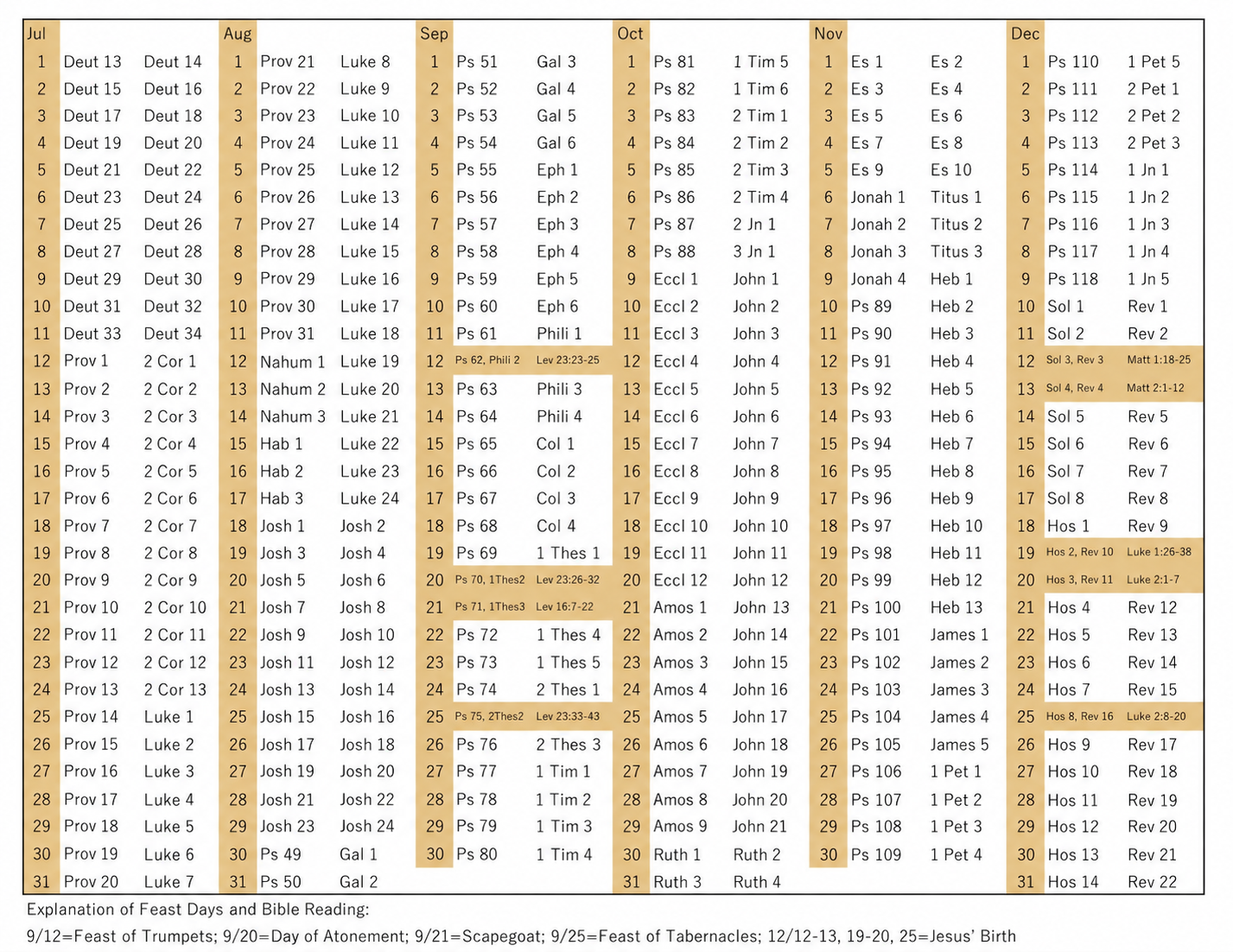
Devotion 2 of 2: John 21
The Great Commission is the last command of Jesus to His disciples. It is found in clear form in Matt 28:18-20 and in Mark 16:15-18. But Bible scholars say it is also found in Luke and John, though not in as clear a form as the 1st 2 gospels. So let’s look for the Great Commission in Luke and John.
Luke 24:46-49 Then He said to them, “Thus it is written, and thus it was necessary for the Christ to suffer and to rise from the dead the third day, and that repentance and remission of sins should be preached in His name to all nations, beginning at Jerusalem. And you are witnesses of these things. Behold, I send the Promise of My Father upon you; but tarry in the city of Jerusalem until you are endued with power from on high.”
John 21:15-17 So when they had eaten breakfast, Jesus said to Simon Peter, “Simon, son of Jonah, do you love Me more than these?” He said to Him, “Yes, Lord; You know that I love You.” He said to him, “Feed My lambs.” He said to him again a second time, “Simon, son of Jonah, do you love Me?” He said to Him, “Yes, Lord; You know that I love You.” He said to him, “Tend My sheep.” He said to him the third time, “Simon, son of Jonah, do you love Me?” Peter was grieved because He said to him the third time, “Do you love Me?”
And he said to Him, “Lord, You know all things; You know that I love You.” Jesus said to him, “Feed My sheep.”
It seems to me that the emphasis of the Great Commission in Luke is that the disciples were to wait in Jerusalem until they were filled with the power of the Holy Spirit; then they were to go out.
As for John, rather than a Great Commission for the whole church, the emphasis is on an individual, Peter, who, I believe, really represents all believers. So being a witness to the whole world is not only the church's, but every Christian’s calling and responsibility. And another emphasis is on love and caring for people. We witness for Jesus because we love Him and fulfilling the Great Commission is really taking care of Jesus’ sheep!
Let’s fulfill the church’s and each individual Christian’s mission by fulfilling world evangelism through the power of the Holy Spirit and by loving and caring for Jesus’ sheep!
— Pastor Elmer Inafuku