
この箇所の日本語訳はまだありません。英語の原文を表示しています。
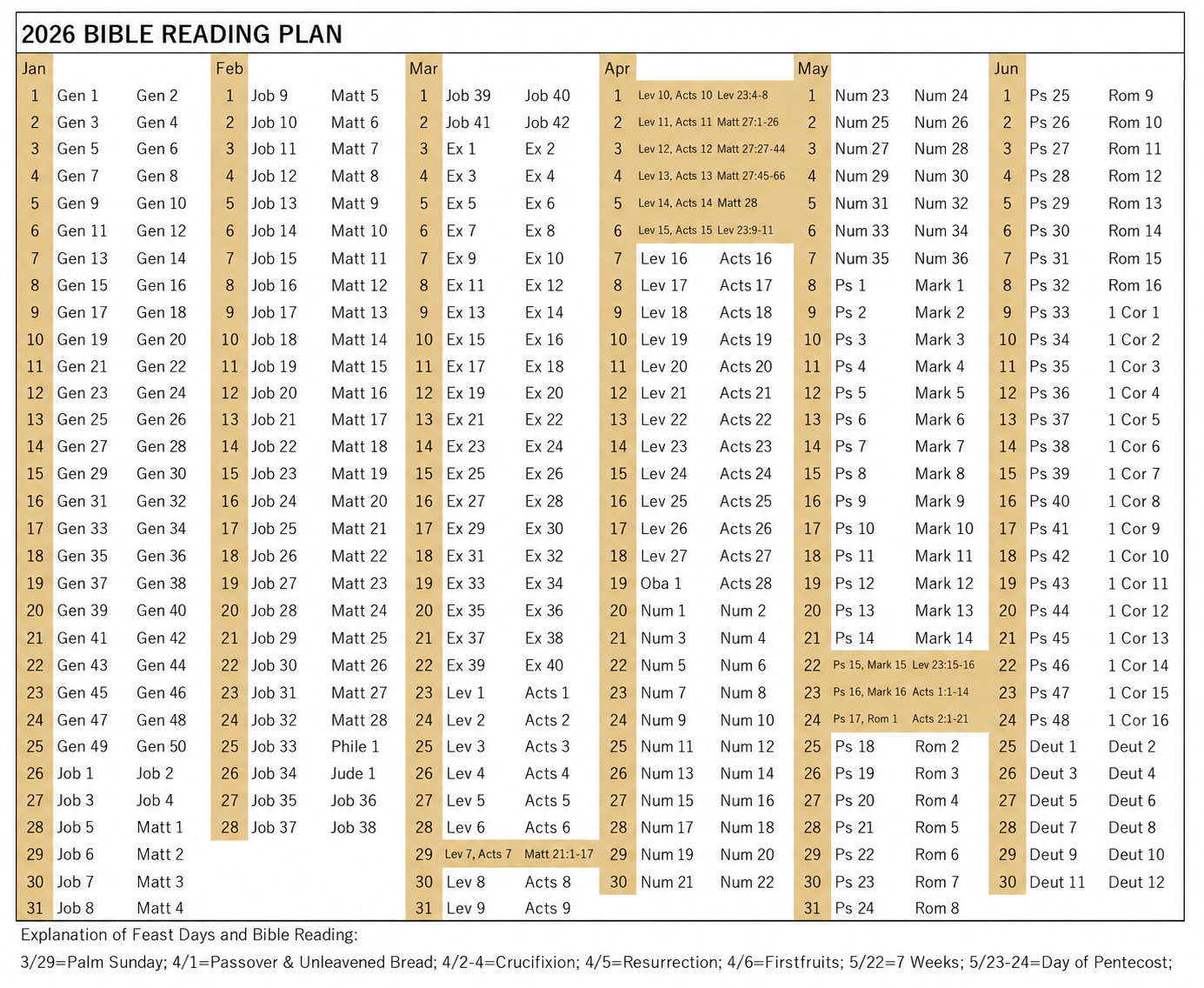
Devotion 1 of 2: Lev 2
This chapter describes the grain offering (v.1). It was an offering that didn’t shed blood, so we could look at it as an offering of thanksgiving or praise rather than an offering of sin or repentance.
A part of the grain offering was burned by fire (v.2), and the rest was given to the priests (v.3). This could be symbolic of our songs of thanksgiving to God and our showing thanks and kindness to people. Let’s give this kind of offering everyday to God and others.
3/24(火)レビ2章(デボーション1)
この章では、穀物の捧げ物について述べています(1節)。これは血を流さない捧げ物であったため、罪の償いや悔い改めの捧げ物というよりは、感謝や賛美の捧げ物と捉えることができます。
穀物の捧げ物の一部は火で焼かれ(2節)、残りは祭司たちに与えられました(3節)。これは、私たちが神に感謝の歌を歌い、人々に感謝と親切を示すことの象徴と言えるでしょう。私たちも、このような捧げ物を毎日、神と人々に捧げましょう。
この箇所の日本語訳はまだありません。英語の原文を表示しています。
Devotion 2 of 2: Acts 2
God poured out the Holy Spirit during the Feast of Pentecost, when Jews from all over the world were gathered in Jerusalem (v.5). This made the miracle of tongues that much greater because the overseas Jews could hear the disciples speaking in their foreign languages (v.7-12)! But this was impossible, so it must be from God!
After Pentecost, without doubt these Jews took back to their countries stories of the miracles they saw, and revival spread quickly! Similarly, in the LDR, God will use the internet to spread revival quickly around the world!
3/24(火)使2章(デボーション2)
世界中からユダヤ人がエルサレムに集まっていたペンテコステの祭りの時、神は聖霊を注がれました(5節)。そのため、異言の奇跡はより一層大きなものとなりました。なぜなら、海外にいたユダヤ人たちは、弟子たちが自分たちの国の言葉で話しているのを聞くことができたからです(7-12節)。しかし、これはあり得ないことなので、神からのものに違いないと認めました。
ペンテコステの後、これらのユダヤ人たちは疑いなく、自分たちが見た奇跡の話をそれぞれの国に持ち帰り、リバイバルを広めたでしょう。同様に、終末リバイバルの際、神はインターネットを用いて世界中にリバイバルを急速に広めるでしょう。
— Pastor Elmer Inafuku