
この箇所の日本語訳はまだありません。英語の原文を表示しています。
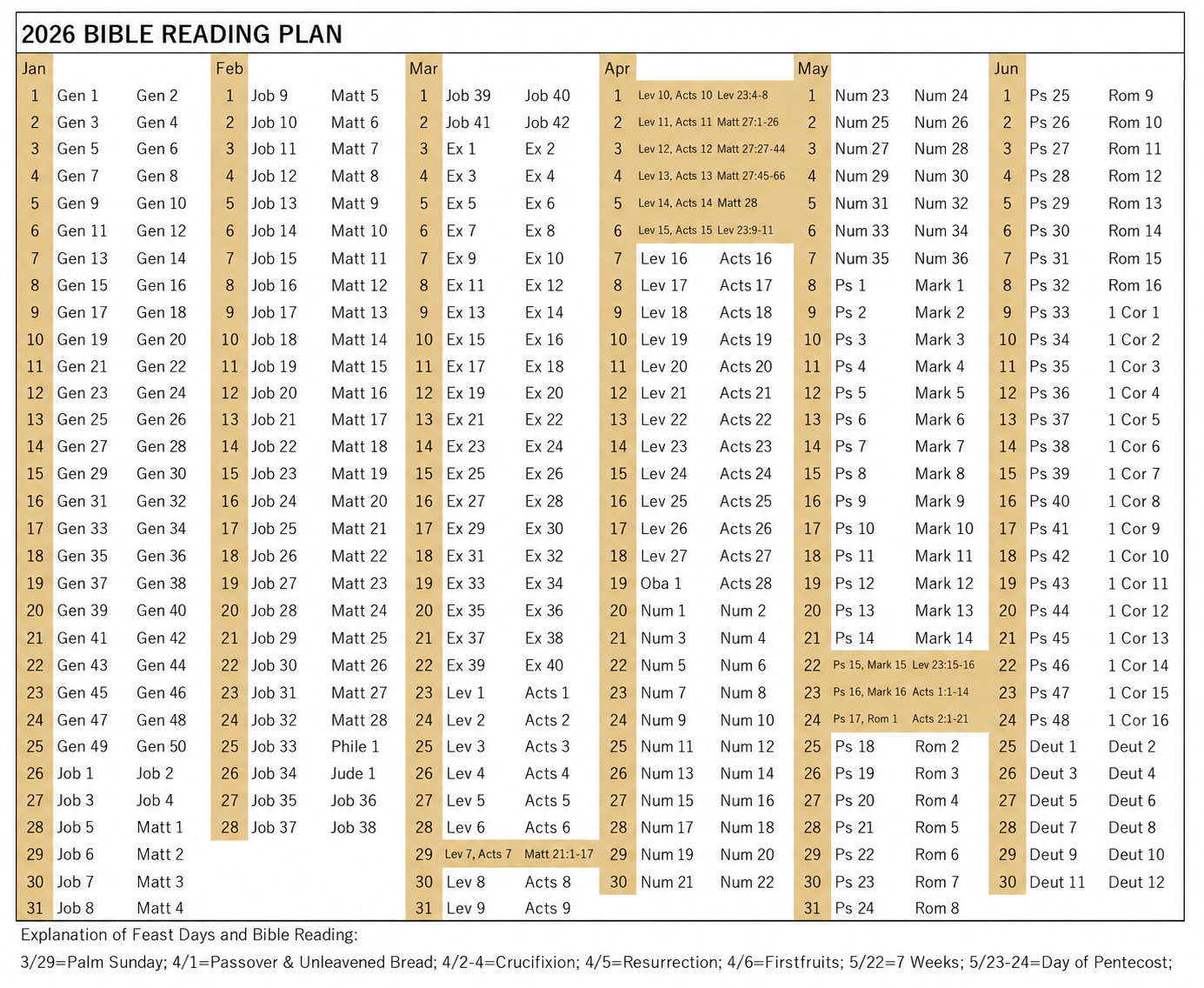
Devotion 1 of 1: Num 6
This chapter is about the law of the Nazarite (v.1-21) and the priestly blessing (v.22-27). Jesus was raised in Nazareth, so he was a Nazarene, and because the word is similar to Nazarite, many people think Jesus was a Nazarite, but he wasn’t. We know that because he drank wine, which a Nazarite was prohibited from doing (v.3). Two other conditions of being a Nazarite were not cutting one’s hair (v.5) and not going near a dead body (v.6). The reason for these laws was so to separate the Nazarite from the world to serve God (v.2).
The only Nazarite specifically named in the Bible was Samson, about whom an angel said should not drink wine or cut his hair (Judg 13:4-5), although no mention was made about dead bodies. The result of being a Nazarite was that Samson would deliver Israel from the Philistines, and probably another result was that he would be granted supernatural strength.
(2/2)
Although Samson did deliver Israel from the Philistines, it was inconsistent and only partial. The reason was that he was headstrong and loved Gentile women (Judg 14:1-3). He also may have violated his Nazarite vow by drinking wine because he often attended feasts (Judg 14:10). Another complication was that he handled dead bodies by killing a lion (Judg 14:5-6) and also killing many Philistines in several battles (Judg 14:19; 15:8, 15). But it's hard to imagine him fulfilling his calling to deliver Israel without touching dead bodies!
Let us keep the essence of the Nazarite vow in separating from the world and serving Jesus! Amen!
JAM 5: Answers!
1) Early rain = Oct-Nov. Latter rain = Mar-Apr
2) Early rain = Acts 2. Latter rain = 1906
— Pastor Elmer Inafuku