
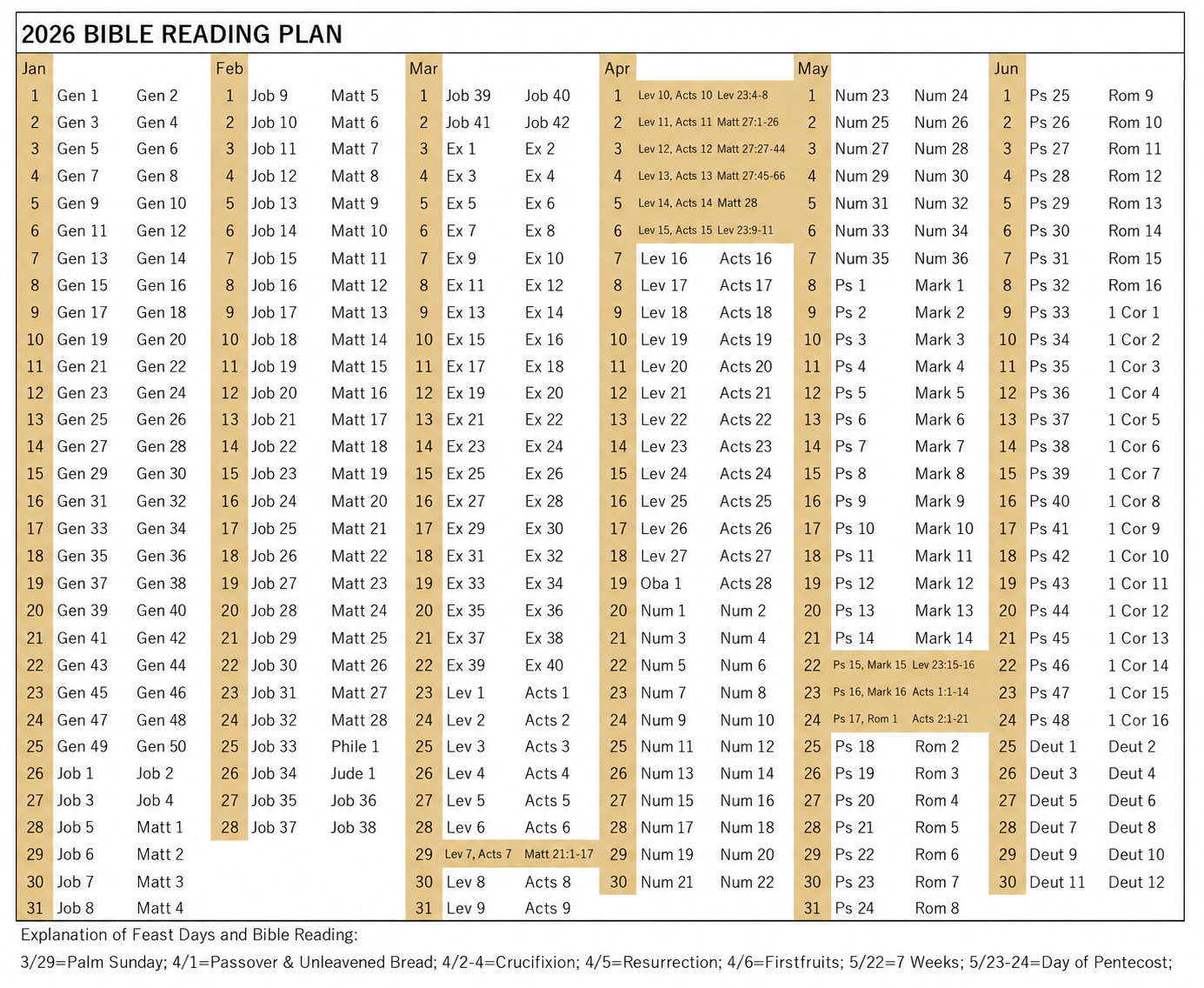
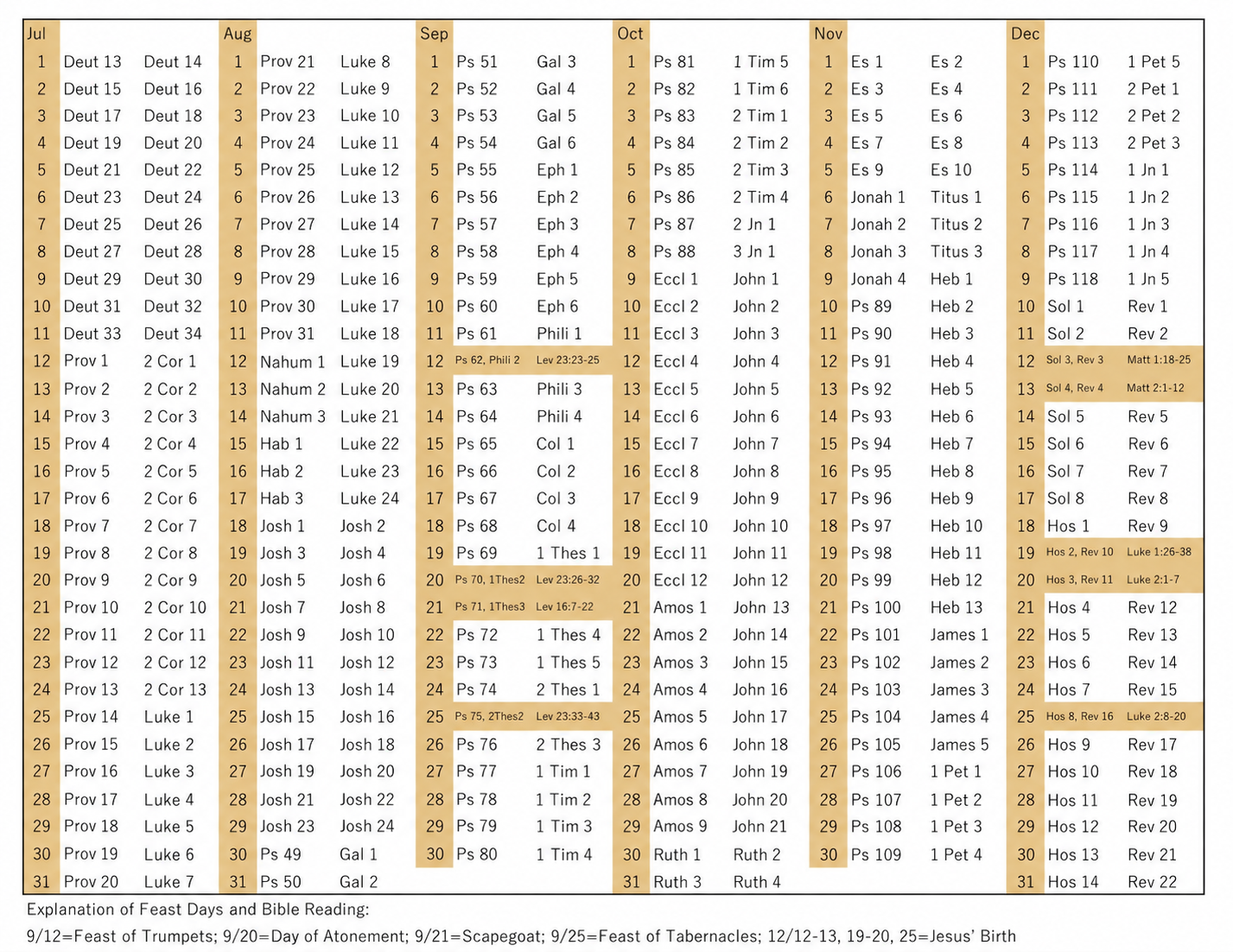
Devotion 1 of 2: Ps 126
This is a psalm of restoration! It is a prophetic song that was fulfilled 400 years after it was written when the Jews returned from their Babylonian Captivity in 536 BC. It is also being fulfilled in modern times through the Jews returning to their homeland after a 1878-year diaspora in order to re-establish their home state of Israel in 1948.
One feature of this psalm is the expression of joy at being liberated and finally returning to their homeland. Words such as “laughter,” “singing,” “glad,” “joy” and “rejoicing” express that joy.
But along with the outburst of joy are the expressions of pain and sorrow that describe the sufferings the Jews experienced during their captivity. Words such as “Those who sow in tears” and “He who continually goes forth weeping” give a glimpse of that pain.
This psalm also applies spiritually to the church as we are also being restored after our 1000-year captivity during the Dark Ages of 500-1500 AD.
Lastly, the purpose of restoration is to reap a great harvest (v.6). The Jews who remain alive when Jesus returns will all be saved and restored to their status as children of God!
And when the church is fully restored, she will be an evangelistic powerhouse, reaping a world-wide harvest of souls from every nation and tongue (Rev 7:9-14). There will be so many saved that their number will be uncountable! Let’s believe for millions to be saved in Japan!
デボーション1/2:Ps 126
これは回復の詩篇です! これは預言的な歌で、書かれてから400年後に、紀元前536年にユダヤ人がバビロン捕囚から帰還したときに成就しました。また、1878年間の離散の後、ユダヤ人が祖国に戻り、1948年に祖国イスラエルを再建したことで、現代でも成就しています。
この詩篇の特徴の1つは、解放され、ついに祖国に戻ったことに対する喜びの表現です。「笑い」、「喜びの叫び」、「喜んだ」、「喜び叫びながら・2度」などの言葉がその喜びを表現しています。
しかし、喜びの爆発とともに、ユダヤ人が捕囚中に経験した苦しみを表す痛みと悲しみの表現もあります。 「涙とともに種を蒔く者」や「泣きながら出て行く者」などの言葉は、その痛みを垣間見せてくれます。
この詩篇は、私たちも西暦500年から1500年の暗黒時代の1000年間の捕囚から回復しつつある教会にも霊的に当てはまります。
最後に、回復の目的は、大きな収穫を得ることです(6節)。イエスの再臨のときに生き残ったユダヤ人は皆救われ、神の子としての地位に回復されます!
そして、教会が完全に回復すると、教会は伝道のパワーハウスとなり、あらゆる国や言語の魂を世界中で収穫します(黙7:9-14)。救われる人の数は数え切れないほど多くなります!日本でも何百万人もの人が救われることを信じましょう!
Devotion 2 of 2: Mark 7
SAT, 1/25B (3/4)
MARK 7: Free sharing!
There are 3 stories in this chapter. Let’s look for spiritual lessons that apply to the endtime revival in the 1st one.
V.1-22. Traditions vs commandments of God.
The Pharisees and scribes represent traditional Christianity. They criticize the disciples because they ate bread with unwashed hands (v.2). The Pharisees had many traditions, even about washing of cups, pitchers, copper vessels and couches (v.4)!
But Jesus said the prophecy of Is 29:13 applies to them (v.6-7)! They honor God with their lips but their hearts are far from God, and their worship is vain because they teach man’s commandments as doctrines! Jesus repeats this judgment of their actions 3 times (v.7-9)!
Jesus used very strong language to condemn this kind of teaching because He knew it would lead to the Jewish nation rejecting Him as the Messiah and crucifying Him, resulting in the Jews being massacred by the Roman army in 70 AD and scattered from their homeland for a tragic 1878-year diaspora!
Application: In modern Christianity, the traditional, denominational churches reject the teachings of the baptism of the Holy Spirit and restoration of the church and teach their traditional doctrines instead, like tongues and miracles ended when the Bible was completed and Jesus’ return to rapture the church is imminent (it can happen at any time = there’s no restoration of the church before the rapture).
By doing this, they are at risk of putting their members in danger of falling away if the pre-trib rapture doesn’t happen, and the believers must face AC, which they aren’t being prepared to do!
Let’s learn R&R (Revival and Restoration) truths and help our Christian friends to understand them so that they can join the LDR and not fall away!
デボーション2/2:Mark 7
1/25B (土)(4/4)
マルコ7章: 自由な分かち合い!
この章には3つの物語があります。最初の物語で、終末のリバイバルに当てはまる霊的教訓を探しましょう。
1-22節。伝統と神の戒め。
パリサイ人と律法学者は伝統的なキリスト教を代表しています。彼らは、洗っていない手でパンを食べた弟子たちを批判します(2節)。パリサイ人には、杯、水差し、銅器を洗うことなど、たくさんのしきたりがありました(4節)!
しかし、イエスは、イザヤ29:13の預言が彼らに当てはまると言いました(6-7節)!彼らは口では神を敬いますが、心は神から遠く離れています。彼らが拝んでも、むだなことです。なぜなら、彼らは神の戒めを捨てて、人間の言い伝えを守っているからです!イエスは、彼らの行動に対するこの裁きの言葉を3回繰り返します(7-9節)!
イエスは、彼らのような教えを非常に強い言葉で非難しました。なぜなら、それがユダヤ民族にメシアとしてのイエスを拒絶させ、十字架にかけさせる結果となり、また、ユダヤ人が紀元70年にローマ軍に虐殺され、1878年間もの間、祖国から散らされ、悲劇的な離散の結果となることを知っていたからです。
応用: 現代のキリスト教では、伝統的なキリスト教は聖霊のバプテスマと教会の回復の教えを拒否し、代わりに聖書が完成したときに異言や奇跡は終了し、イエスは携挙のために帰って来ることはいつでも起こりえる(=携挙の前に教会が回復することはない)などの伝統的な教義を教えています。
そうすることによって、伝統的な教会は、患難前携挙が起こらなくて、信者たちは備えができていないのに、反キに直面しなければならない場合、その信者たちを背教の危険にさらすというリスクを冒すことになります。
R&R(リバイバルと回復)の真理を学び、クリスチャンの友人たちがそれを理解して、終末リバイバルに参加し、背教しないように手助けしましょう。
— Pastor Elmer Inafuku